Hiring the Trusted Solar Installer in Chilliwack
Boost Your Cost Savings: A In-Depth Guide to Solar Panel Implementation for Homeowners
An increasing number of homeowners view solar panel installation as a strategy to maximize savings and lower energy costs. Understanding the technology and evaluating individual energy needs is essential. Financial incentives can also offset installation fees. However, many continue to be uncertain about the process and potential benefits. This guide seeks to clarify the essential aspects of solar panel installation, supporting homeowners reach informed decisions while exploring the true value of this investment.
Understanding Solar Panel Systems: How It Operates
Though many individuals are aware of solar panels, few truly comprehend the technology at their core. Solar panels work on the principles of photovoltaic (PV) technology, which transforms sunlight directly into electricity. Each panel consists of several solar cells made primarily from silicon, a semiconductor that yields an electric current when exposed to light.
When photons from sunlight strike the solar cells, they excite electrons, enabling them to move freely. This flow creates direct current (DC) electricity. An inverter then transforms this DC electricity into alternating current (AC), which is the typical form of electricity used in homes.
Furthermore, solar panels are frequently equipped with a layer of protective glass and a backing material to boost durability and efficiency. Combined, these components work to harness solar energy, making solar panels a environmentally friendly and renewable energy source. Understanding this technology is essential for homeowners considering solar energy solutions.
Assessing Your Property's Energy Needs Before Installation
Prior to committing to solar panel installation, homeowners must assess their energy requirements to verify the system will be efficient and effective. This evaluation begins with analyzing past energy bills to determine average monthly consumption. Homeowners should identify seasonal variations in energy use, as these can affect solar system sizing. Additionally, considering the types of appliances and systems in the home—such as heating, cooling, and lighting—will give a more comprehensive picture of energy demand.
Following this, it is beneficial to examine potential for energy efficiency improvements prior to installation. Simple steps, such as upgrading insulation or using LED lighting, can decrease overall energy consumption, permitting a smaller solar system. Finally, homeowners should contemplate future changes that may influence energy needs, such as adding electric vehicles or expanding living space. Understanding these considerations will help guarantee that the solar panel system meets current and future energy demands effectively.
Comprehending Solar Financial Benefits
As property owners investigate solar panel installation, understanding the financial incentives available can greatly impact their decision-making process. Numerous federal and state programs provide substantial savings opportunities. The Federal Investment Tax Credit (ITC) enables homeowners to deduct a significant percentage of the installation costs from their federal taxes, considerably reducing upfront expenses. Many states also provide rebates and grants aimed at promoting solar energy adoption, further lowering financial barriers. Moreover, some local utilities deliver performance-based incentives or net metering programs, allowing homeowners to receive credits for surplus energy generated by their solar panels. Financing options, such as solar loans and leases, can also help manage costs while maximizing savings over time. By extensively researching these financial incentives, homeowners can make educated choices that not only enhance their energy efficiency but also provide substantial long-term financial benefits. Understanding these incentives is crucial for homeowners looking to maximize their savings through solar energy.
Choosing the Perfect Solar Panel System for Your Residence
Picking the right solar panel system for a home requires a thorough assessment of energy demands and an understanding of the various system types available. Homeowners should examine their electricity consumption patterns to determine the proper capacity. Furthermore, comparing the attributes and efficiencies of different solar panel systems can assist in making an informed decision.
Assess Your Energy Usage
How do homeowners properly evaluate their energy needs when contemplating solar panel installation? To start, they should look at prior electricity bills to determine average monthly consumption, typically measured in kilowatt-hours (kWh). This historical data reveals peak usage times and seasonal variations. Homeowners can also conduct a home energy audit to discover energy-efficient upgrades that may minimize overall consumption. In addition, they should account for future changes, such as new appliances or family size, which could impact energy needs. By calculating the total daily kWh requirement, homeowners can define the size of the solar panel system needed to address their energy needs efficiently. Understanding these factors is critical for making informed decisions about solar panel installation and maximizing energy savings.
Evaluate System Variants
Which solar panel system configuration will most effectively address a homeowner's unique needs? Property owners usually have three principal alternatives: monocrystalline solar panels, polycrystalline solar panels, and thin-film varieties. Monocrystalline panels are recognized for their superior efficiency and compact design, making them excellent for homes with minimal roof area. Polycrystalline panels are commonly more cost-effective and fitting for larger roof spaces, but they offer slightly lower efficiency. Thin-film solar panels, despite being less widespread, are light and flexible, making them a good choice for unconventional installations. When evaluating these options, property owners should evaluate factors including power needs, financial budget, rooftop space availability, and local weather conditions. Finally, picking the correct system type relies on a detailed evaluation of these specific considerations.
What You Can Expect During Your Solar Panel Installation
In the solar panel installation process, homeowners can anticipate a comprehensive pre-installation assessment to determine the best system for their property. On installation day, particular expectations about the timeline and procedures will shape their experience. Understanding these critical phases can help ensure a smooth shift to solar energy.
Initial Assessment Procedure
Before the installation process actually starts, homeowners can expect a detailed pre-installation assessment process that helps confirm the solar panel system is customized for their specific needs. This assessment typically involves a site visit by a professional who evaluates the roof's condition, orientation, and shading from nearby structures or trees. They will also analyze the home's energy consumption patterns to determine the optimal system size. Additionally, local regulations and incentives will be reviewed to guarantee compliance and maximize savings. Homeowners may be asked about their preferences and expectations, enabling a customized solar solution. This thorough preparation lays the foundation for a successful installation and guarantees the system operates efficiently, ultimately leading to improved energy savings and satisfaction.
What You Can Expect During Installation
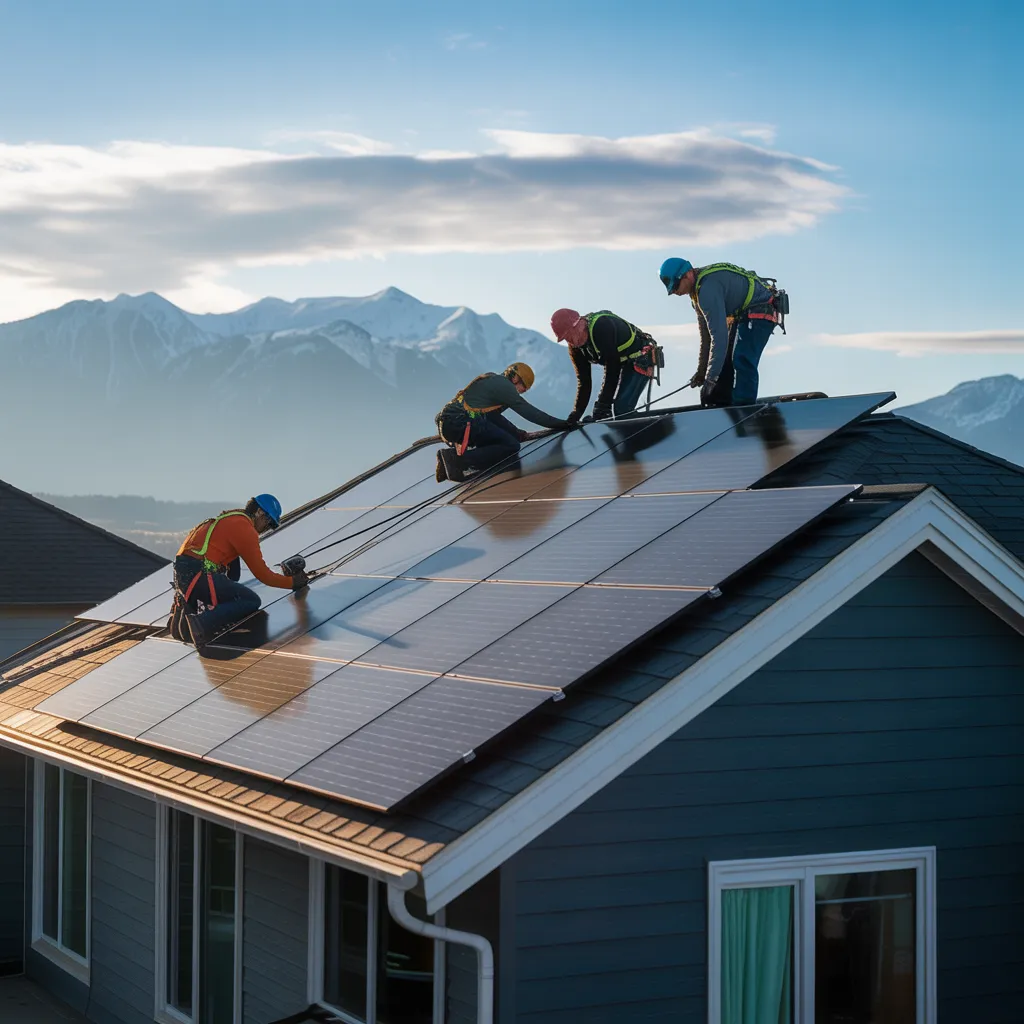
On the day of installation, homeowners can expect a well-coordinated process as professionals arrive to put in place the solar panel system. Generally, a team of trained technicians will oversee the installation, ensuring safe and efficient procedures. Homeowners should be provided with a short overview of the day's schedule, featuring an estimated timeline for completion.
The team will first assess the roof and prepare necessary equipment, followed by the installation of mounting brackets. Following bracket stabilization, the panels will be mounted. The installation team will keep homeowners informed throughout, responding to questions and sharing progress updates. After the installation is finished, a detailed inspection will be performed, and the system will be integrated with the electrical grid, ensuring optimal functionality.
How to Maximize Your Solar Investment Through Proper Maintenance
Adequate maintenance is vital for enhancing the return on a solar energy investment. Homeowners should routinely inspect their solar panels for debris, dirt, or any blockages that may obstruct sunlight. Keeping the panels clean increases efficiency, and a simple wash with water can be adequate in most cases. Moreover, monitoring the system's performance through the display on the inverter or a monitoring app verifies that any issues are swiftly recognized.
Professional inspections on a regular basis, ideally annually, background information are advised to assess the complete status of the system and its components. This includes looking for any indicators of damage or wear, such as faulty connections or loose wiring.
Additionally, homeowners should be mindful of surrounding vegetation; trimming trees or shrubs that cast shadows on the panels can substantially increase energy production. By implementing these maintenance practices, homeowners can ensure their solar systems operate at peak efficiency, ultimately maximizing their investment.
5 Major Misconceptions About Solar Panels You Should Understand
What common myths surround solar panels that might mislead potential buyers? Numerous people think that solar panels are only effective in sunny climates, however they can generate energy even on cloudy days. Another misconception is that solar systems are prohibitively expensive; prices have notably decreased, making them more accessible. Certain homeowners believe that installation is complicated and requires extensive renovations, but modern systems can often be installed with minimal disruption. Moreover, there is a belief that solar panels are not durable and require frequent replacements; nevertheless, most panels come with warranties of 25 years or more. In conclusion, many homeowners think that solar energy cannot power their entire home, when in fact, properly sized systems can meet most energy needs. Correcting these false beliefs is crucial for potential buyers considering solar energy as a feasible and valuable option for their homes.
Popular Questions
What Is the Typical Duration of the Solar Panel Installation Process?
Solar panel installation typically requires between one and three days, depending on the size and complexity of the system. Extra time might be required for permits and inspections, which can change depending on your location and applicable regulations.
Is It Possible to Install Solar Panels Myself to Reduce Expenses?
Homeowners can install solar panels themselves to save costs; however, they should consider local regulations, safety standards, and technical expertise. Expert installation commonly assures superior performance and compliance with mandated requirements, potentially exceeding initial monetary savings.
What Occurs if My Solar Panels Generate Less Energy Than Anticipated?
When solar panels generate less energy than projected, homeowners might face increased utility bills and reduced savings. They should evaluate system performance, check for issues, and consult specialists to maximize energy production and address issues.
Can Solar Panels Boost My Property Taxes?
Photovoltaic panels might increase property taxes, though this changes based on location. Many regions extend exemptions or incentives, likely counterbalancing tax increases. Homeowners should review regional tax laws to learn about the precise impact on their property taxes.
What Are the Most Effective Financing Options for Solar Panel Installation?
The top financing choices for solar panel installation include solar financing, lease agreements, power purchase agreements, and governmental incentives. Each choice delivers distinct advantages, enabling homeowners to decide on what best fits their financial circumstances and energy needs.